
Moving into a new villa in Dubai involves more than packing furniture and arranging transportation. Large items such as sofas, wardrobes, beds, dining tables, and refrigerators need to fit through the new property’s entrances, corridors, staircases, and available spaces. Without accurate measurements, homeowners may discover that their furniture cannot pass through a doorway or fit into the intended room.
Measuring large furniture before moving helps prevent access problems, reduces unnecessary handling, and makes relocation planning easier. It also allows homeowners to identify which items may need dismantling or a different moving approach.
Whether you are relocating from an apartment to a villa or moving between two villas in Dubai, checking furniture dimensions and access routes in advance can make the process more organised.
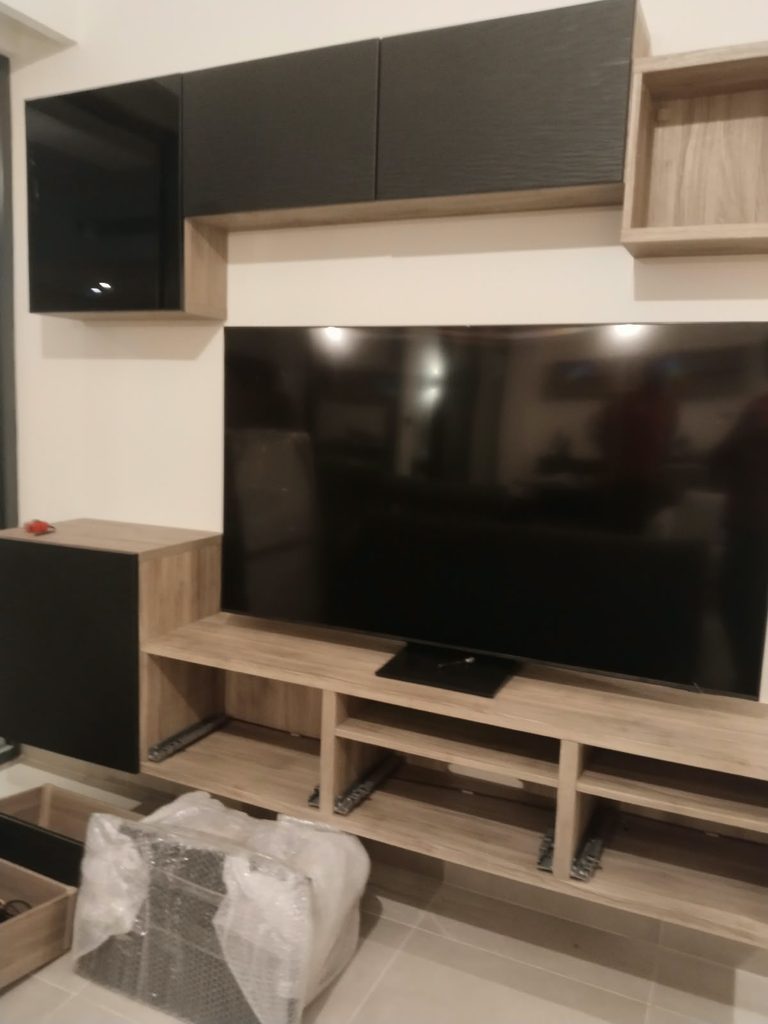
Why Should You Measure Large Furniture Before Moving to a New Villa?
Furniture measurements help determine whether large household items can be transported into a new property without unexpected difficulties.
A sofa may fit comfortably in your current living room but may not pass through the entrance of your new villa. Similarly, a large wardrobe might fit inside a bedroom but create difficulties when navigating a narrow corridor or staircase.
Measuring furniture in advance helps homeowners:
- Confirm whether furniture can pass through entrances and doorways.
- Identify narrow corridors and staircase restrictions.
- Plan furniture placement before moving day.
- Determine whether certain items need dismantling.
- Reduce the risk of scratches and accidental damage.
- Communicate accurate information to the moving team.
The important point is to measure both the furniture and the route it needs to travel. Checking only the room dimensions is not enough to establish whether an item can be moved into the property.
What Measurements Do You Need to Take Before Moving Furniture?
Before measuring individual items, understand the basic dimensions used to assess furniture size and access.
Most large furniture pieces require three main measurements:
Length: The longest horizontal measurement of the item.
Width or Depth: The measurement from the front to the back of the furniture.
Height: The measurement from the bottom to the highest point.
For certain furniture, additional measurements may also be necessary. For example, a sofa with a removable backrest should be measured both assembled and in its dismantled condition.
Use a measuring tape and record all measurements in centimetres to avoid confusion.
A simple measurement record can look like this:
| Furniture item | Length | Width/Depth | Height |
| Three-seater sofa | 220 cm | 95 cm | 85 cm |
| Double bed frame | 200 cm | 160 cm | 100 cm |
| Wardrobe | 180 cm | 60 cm | 210 cm |
| Dining table | 180 cm | 90 cm | 75 cm |
These figures are illustrative examples, not standard dimensions. Always measure your actual furniture because designs and sizes vary.
How to Measure a Sofa, Bed, Wardrobe, and Dining Table?
Different furniture types have different shapes and structural features. Measuring each item correctly helps identify possible difficulties during transportation.
Measuring a Large Sofa
Sofas can be difficult to move because of their length, depth, armrests, and fixed backrests.
To measure a sofa:
- Measure its total length from one outer armrest to the other.
- Measure the depth from the front edge to the back.
- Measure the overall height from the floor to the highest point.
- Check whether the back cushions and legs can be removed.
- Measure any detachable sections separately.
For sectional sofas, measure every individual section and note how the pieces connect.
Also check whether the sofa can be tilted or rotated safely when passing through a doorway. Its diagonal dimensions and overall shape may affect the available clearance.
Measuring Beds and Bed Frames
Beds often have large headboards, side rails, and additional components that affect their moving dimensions.
Check the following:
- Overall length and width of the bed frame.
- Height and width of the headboard.
- Size of the mattress.
- Dimensions of detachable side rails.
- Whether the frame can be dismantled.
- Whether the mattress can be carried through the intended route.
A king-size mattress, for example, may need a different handling approach from a dismantled bed frame.
Measuring Wardrobes
Large wardrobes require particular attention because of their height and depth.
Measure the wardrobe at its widest, deepest, and highest points. Check whether its doors, shelves, mirrors, or internal fittings can be removed safely.
Also consider whether the wardrobe is designed to be dismantled. Some fitted or custom-built wardrobes may not be suitable for complete disassembly without specialist handling.
Do not assume that removing the doors will automatically make a wardrobe easier to move. Its remaining frame dimensions and weight still need to be considered.
Measuring Dining Tables
Dining tables can have wide tops, fixed legs, or unusual shapes that make access difficult.
Measure:
- Tabletop length and width.
- Overall height.
- Thickness of the tabletop.
- Distance between supporting legs.
- Removable legs or extensions.
For glass dining tables, check whether the top can be separated safely from the base and whether the material requires specialised handling.
How to Measure Doorways, Corridors, and Staircases?
Measuring furniture alone does not confirm that it can enter your new villa. You must also check the complete route from the property entrance to the intended room.
Doorway Measurements
Measure the clear opening of every doorway along the moving route.
Check the usable width between the door frame and the height from the floor to the top of the opening. If a door opens inward, consider whether removing it would create additional clearance, if this can be done safely.
Remember that the nominal door size may differ from the actual clear opening available when the door is open.
Corridor Measurements
Corridors can create difficulties when moving large furniture, especially around corners.
Measure the narrowest corridor width and check the available turning space at corners and junctions.
Also look for:
- Wall projections.
- Built-in cabinets.
- Decorative features.
- Low ceilings.
- Narrow connecting passages.
A long sofa may pass through a straight corridor but become difficult to rotate at a tight corner.
Staircase Measurements
Staircases need additional attention because furniture must often be lifted, tilted, or rotated.
Measure:
- Staircase width.
- Ceiling clearance.
- Height of each landing.
- Turning space between flights.
- Handrail projections.
- Available space near the top and bottom of the stairs.
Do not rely only on staircase width. A landing with limited turning space may be the actual restriction.
For particularly large or heavy furniture, an experienced moving team should assess the route before moving day.
How Can You Check Whether Furniture Will Fit Through the Moving Route?
After recording furniture and access measurements, compare the dimensions to identify possible restrictions.
A useful method is to create a simple moving-route plan.
Step 1: Identify the complete route.
Start at the building entrance or villa gate and follow the intended path to the destination room.
Step 2: Record the narrowest points.
Note the smallest doorway, corridor, staircase, and turning area along the route.
Step 3: Compare furniture dimensions.
Check the furniture’s assembled and dismantled dimensions against the available openings.
Step 4: Consider the orientation.
A piece of furniture may fit through an opening when positioned at an angle, but its shape, height, and depth must still allow sufficient clearance.
Step 5: Identify possible obstacles.
Check door handles, stair railings, ceiling lights, wall corners, and other features that could restrict movement.
For example, imagine a sofa measuring 220 cm in length and 95 cm in depth. A doorway may have sufficient width for the sofa when positioned correctly, but a narrow corridor immediately beyond it may prevent the required turn.
This is why the complete route should be checked rather than treating each doorway as an isolated measurement.
Should You Dismantle Large Furniture Before Moving?
Dismantling can make some furniture easier to transport, but it is not necessary or suitable for every item.
Furniture that may benefit from partial dismantling includes:
- Bed frames with removable side rails.
- Dining tables with detachable legs.
- Modular sectional sofas.
- Wardrobes designed for disassembly.
- Large shelving units with removable sections.
Before dismantling anything, check the manufacturer’s instructions and construction.
Keep screws, bolts, brackets, and other fittings organised in labelled bags. Photograph complicated connections before taking furniture apart so the original arrangement can be understood during reassembly.
Avoid dismantling fitted cabinets, fragile furniture, or complex custom-made items without suitable experience. Incorrect handling may weaken joints or damage the finish.
What Furniture Measurements Should You Share With Your Movers?
Providing accurate measurements allows a moving team to understand the size and handling requirements of larger items before relocation.
Prepare a furniture inventory containing:
- Furniture name and quantity.
- Length, width, and height.
- Weight, if known.
- Detachable components.
- Fragile materials, such as glass or marble.
- Special handling requirements.
- Photographs from different angles.
- Any access restrictions at the current or new property.
You should also share photographs or measurements of narrow entrances, staircases, and difficult turning areas.
If the furniture is unusually large, heavy, valuable, or custom-made, mention this before moving day. The moving team may need to assess the item and route to determine the appropriate handling method.
Common Furniture Measurement Mistakes to Avoid
Even small measurement mistakes can create unnecessary problems during a villa relocation.
Here are some common mistakes homeowners should avoid:
Measuring only the front of the furniture: Length alone does not show whether an item can pass through a doorway or turn inside a corridor.
Ignoring removable components: Cushions, legs, doors, and detachable sections may change the furniture’s dimensions.
Forgetting staircase landings: A staircase may appear wide enough, but the landing may not provide sufficient turning space.
Using approximate measurements: Guessing furniture dimensions can lead to incorrect moving arrangements.
Ignoring ceiling clearance: Tall furniture may be difficult to tilt or rotate beneath low ceilings.
Not sharing measurements in advance: A moving team should know about unusually large items and access restrictions before relocation.
Taking a little extra time to check these details can help avoid last-minute adjustments.
When Should You Ask Professional Movers to Assess Large Furniture?
Some furniture can be measured and prepared by homeowners, but larger items may require an experienced assessment.
Consider professional assistance when:
- A large sofa cannot easily pass through the entrance.
- A wardrobe needs partial dismantling.
- Furniture must be moved through a narrow staircase.
- Heavy dining tables or glass furniture require special handling.
- Custom-built furniture has unusual dimensions.
- The new villa has restricted access or complicated layouts.
For a smoother relocation, homeowners should share their furniture inventory and access measurements before moving day. This gives the moving team a better understanding of the items and possible handling challenges.
Budget City Movers can be considered when planning a villa relocation that involves large furniture and different access requirements. Professional Villa Movers and Packers in Dubai can help assess moving requirements and organise the handling of larger household items.
The appropriate moving arrangements should always depend on the furniture dimensions, access conditions, and handling requirements.
Frequently Asked Questions
How do I measure large furniture before moving?
Measure the length, width or depth, and height of each furniture item using a measuring tape. Record any detachable components separately and compare the dimensions with the doorways, corridors, and staircases along the moving route.
Should I measure doorways before moving a large sofa?
Yes. Measure the actual clear doorway opening and consider the sofa’s dimensions, shape, and possible turning angle. Also check the corridor and turning space immediately beyond the entrance.
How do I know if my wardrobe will fit through a staircase?
Measure the wardrobe’s overall dimensions and compare them with the staircase width, ceiling clearance, landing dimensions, and turning space. If it cannot pass safely as one piece, a suitable dismantling or alternative handling plan may be needed.
Should furniture be measured before or after dismantling?
Ideally, measure furniture in both assembled and dismantled conditions when components can be removed. This helps determine whether dismantling will make transportation easier.
What tools are needed to measure furniture for relocation?
A measuring tape is usually sufficient for basic measurements. A notebook or digital spreadsheet can help record dimensions, while photographs provide useful visual references for the moving team.
Why should I share furniture measurements with movers in advance?
Sharing measurements helps the moving team understand the size of large items, identify possible access restrictions, and plan suitable handling arrangements before relocation.
Conclusion
Measuring large furniture before moving into a new villa in Dubai helps homeowners identify potential access problems and organise their relocation more effectively. Furniture dimensions, doorway clearance, corridor width, staircase measurements, and turning space should all be considered before moving day.
The process is not limited to checking whether furniture fits inside a room. It also involves confirming whether each item can travel safely through the complete route into the new property.
By preparing accurate measurements, recording detachable components, and sharing relevant details with the moving team, homeowners can reduce avoidable complications during relocation.
Budget City Movers supports villa relocation requirements in Dubai, helping homeowners plan the handling and transportation of household furniture according to their moving needs.